
A Maumee Parent's Guide to Pink Eye This School Year
Pink eye spreads fast once school's back in session — here's how to spot it, treat it, and know when to bring your child in.


Written by: Corey Alexander
Published on: August 25, 2026
Cold, flu and COVID cases tend to climb as kids head back to the classroom, but there's another illness that catches a lot of northwest Ohio parents off guard: pink eye.
It spreads fast in a classroom, and once it comes home, it can move through the whole family within days.
Here's what parents in Maumee, and across the Toledo area need to know.
What Is Pink Eye?
Pink eye, or conjunctivitis, happens when the thin tissue covering the white part of the eye and the inside of the eyelid get inflamed.
It turns the eye pink or red and often brings itching, tearing or crusty discharge. Some kids are also sensitive to light.
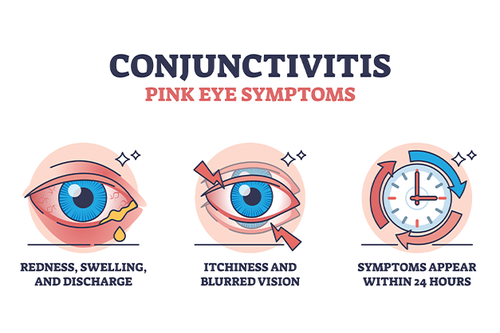
Pink eye falls into three main types:
- Viral makes up roughly 80% of cases. It usually affects both eyes and is linked to the same viruses behind colds and respiratory infections.
- Bacterial shows up more often in younger kids and tends to bring thicker, yellow or green discharge.
- Allergic is triggered by pollen, pet dander or other allergens, which makes it more common during Ohio's fall ragweed season.
Viral and bacterial pink eye are contagious. Allergic conjunctivitis is not.
How Does Pink Eye Spread?
Kids sit close together, share supplies and touch their faces constantly, which makes classrooms an easy place for pink eye to spread.
A child can spread it for as long as symptoms last, sometimes even a day or two before symptoms show up. That's how one case in a classroom can turn into several within a week.
If someone in your household has pink eye, a few habits go a long way toward keeping it from spreading:
How Is Pink Eye Treated?
Viral pink eye usually clears up on its own in a week or two. Bacterial pink eye often improves within a few days of starting antibiotic drops.
At home, use a clean, cool washcloth to gently wipe away discharge and skip contact lenses until symptoms are fully clear. Artificial tears can help ease inflammation and dryness in the meantime.
For allergic pink eye, over-the-counter allergy medication and topical antihistamine or vasoconstrictor eye drops can bring relief.
Pink eye is common, but it's not always something to sort out on your own. If your child has eye pain, vision changes, swelling around the eye or symptoms that aren't improving, it's time to visit ProMedica Toledo Hospital Emergency and Urgent Care for expert care close to home.
When Can My Child Go Back To School?
The Ohio Department of Health's communicable disease guidance calls for excluding a child with pus-like eye discharge until 24 hours after they've started an effective antibiotic.
Viral pink eye doesn't have that same antibiotic marker, so most schools ask that a child stay home until symptoms clear up, even though there's no antibiotic timeline to point to.
Every district sets its own policy on top of that state guidance, so it's worth a call to your school before sending them back.