
Staying Hydrated This Summer in Ohio's Heat
As temperatures climb in Toledo, dehydration can become a serious health concern, making it important to stay hydrated and recognize the signs before they become severe.


Written by: Corey Alexander
Published on: June 5, 2026
In northwest Ohio, staying hydrated is more than just a healthy habit, it’s essential for your well-being. Whether you’re enjoying a day at the zoo, walking along the river, or cheering on the local sports team, your body needs proper hydration to function at its best.
At ProMedica Toledo Hospital Emergency and Urgent Care, our care teams see firsthand how dehydration affects people across our community, especially during the summer when heat illness strikes. These expert hydration tips can help you stay healthy, energized and safe all season long.
Drink Enough Water
Water supports nearly every function in your body. It helps regulate temperature, support brain function, maintain energy levels, protect kidney health and flush out waste. In fact, about half to two-thirds of your body weight is made up of water.
Dehydration happens when your body loses more fluids than you take in —and during the hot summer days, this can happen faster than you may realize.
While your daily water needs vary based on factors such as age, activity level and overall health, the National Academies of Sciences, Engineering, and Medicine recommend a daily fluid intake of:
These totals include water, other beverages and even fluids from foods like fruits and vegetables. That said, most of your intake should come from what you drink. If you’re working outdoors, exercising or spending extended time in the sun, you’ll need even more fluids to stay hydrated.
Dehydration Symptoms
Even mild dehydration can cause symptoms such as fatigue, dizziness or irritability. One simple way to check your hydration level is by looking at your urine color. Pale yellow usually means you’re well hydrated, while darker yellow may indicate you need more fluids.
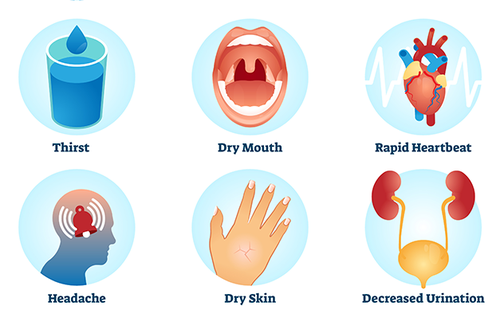
Other common signs of dehydration include:
If you experience severe symptoms like a fast heartbeat, confusion, vomiting or an inability to keep fluids down, seek medical care right away. Infants, young children, older adults and people with chronic medical conditions are especially vulnerable to dehydration.
Tips To Stay Hydrated
These simple habits can help you stay hydrated:
If you’re sweating heavily for long periods or recovering from illness, drinks with electrolytes may help replace lost fluids and nutrients.
When To Seek Care at ProMedica Toledo Hospital Emergency and Urgent Care
Dehydration can affect anyone — especially during Ohio’s hot summer months or when you’re sick. Making hydration part of your daily routine can help protect your health and keep you feeling your best.
If symptoms become severe or don’t improve, turn to ProMedica Toledo Hospital Emergency and Urgent Care for expert care close to home. Conveniently located at 1075 Medical Center Parkway, Maumee, Ohio 43537.
The emergency department is open 24/7, and the urgent care clinic is open daily from 7 a.m. to 9 p.m. No appointment is needed, and every patient is seen by an ER-trained physician.
You’ll receive care that matches your needs — and only pay for the level of service you receive.